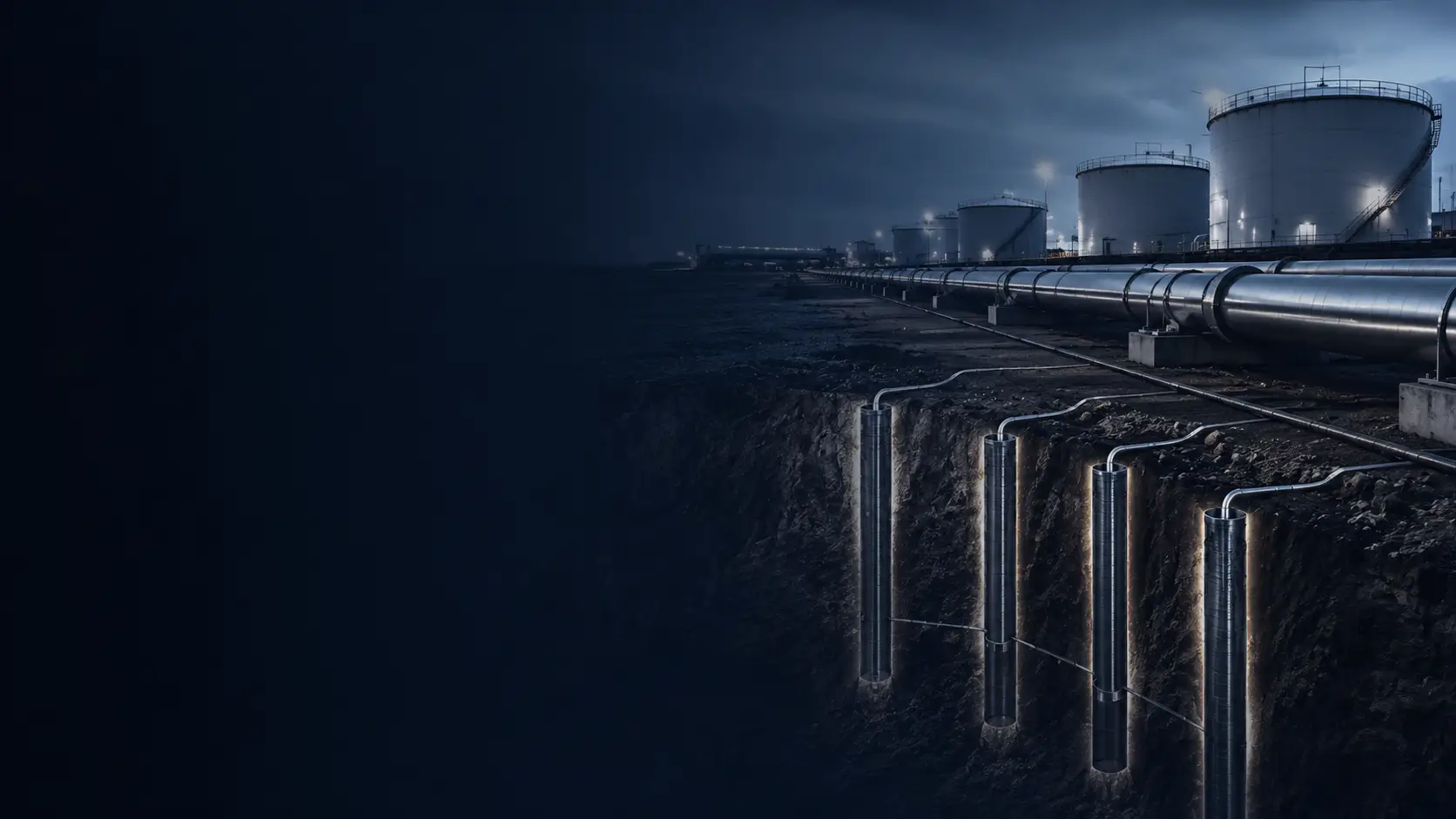
ICCP Anodes for Deep Groundbed Systems
Custom MMO canister, tubular, and rod anode solutions for deep groundbed cathodic protection systems used in pipelines, tank farms, underground structures, oil & gas facilities, and buried steel infrastructure.
Deep Groundbed Anode Selection Starts with Soil, Current and Installation Depth
A deep groundbed ICCP system is used when protective current needs to be discharged into deeper soil layers to protect pipelines, tanks, buried steel, or underground infrastructure. The anode selection should be reviewed together with soil resistivity, borehole depth, current demand, backfill, cable route, venting, and design life target.
Unlike shallow distributed systems, deep groundbeds are usually designed to place anodes at greater depths where soil conditions may support more effective current discharge. The final anode form, quantity, spacing, cable length, and backfill design should be based on project data instead of product size alone.
Hele Titanium supports MMO canister anodes, MMO tubular anodes, and MMO rod anodes for deep groundbed ICCP systems, with coating review, current output review, cable sealing, labels, packing, and documentation support according to project requirements.
Request Deep Groundbed ICCP Review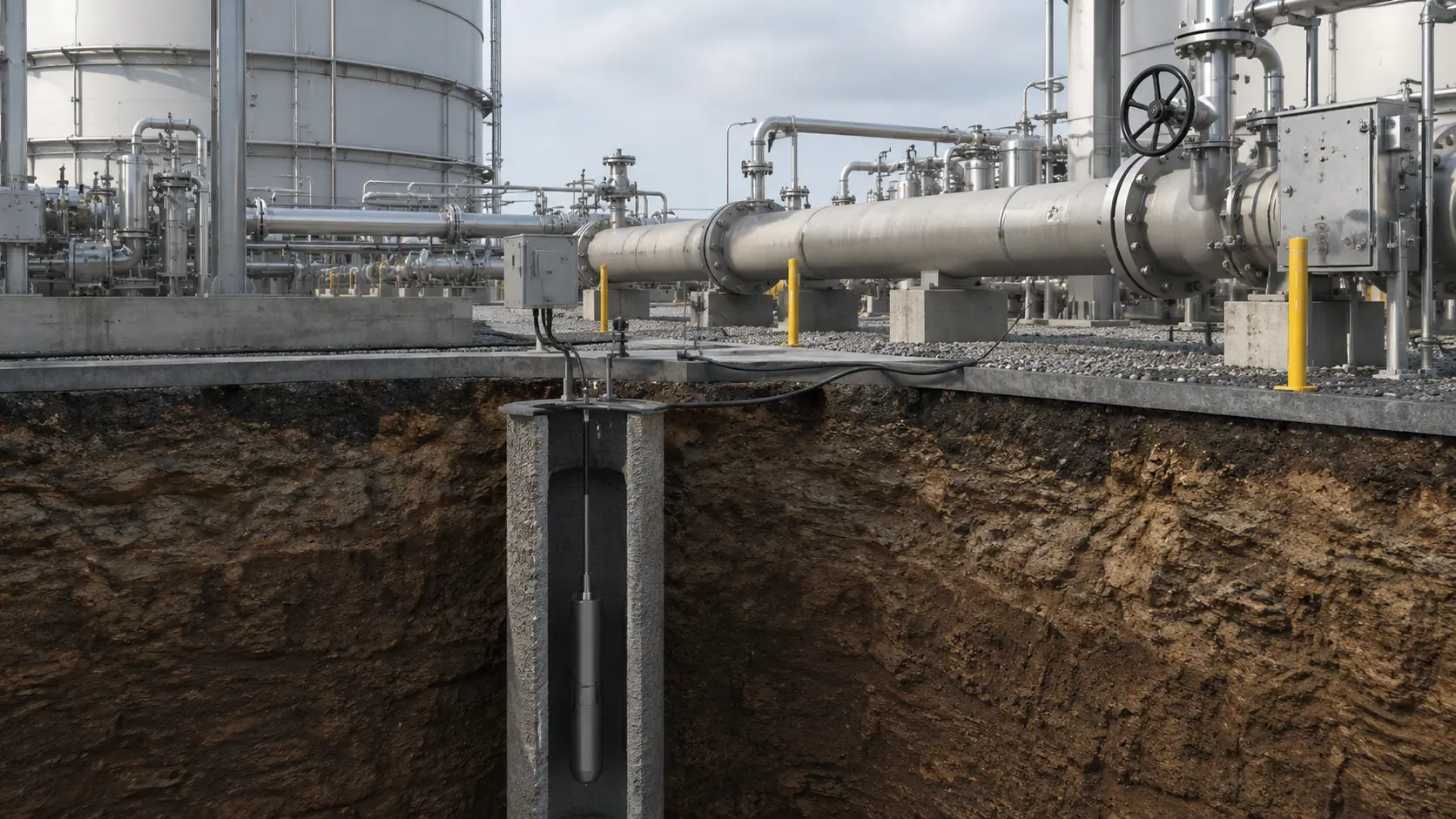
Deep Well Groundbed Support
Anode selection can be reviewed for vertical borehole and deep well ICCP installations.
MMO Anode Form Matching
MMO canister, tubular, and rod anodes can be matched to current output, groundbed design, and installation conditions.
Soil Resistivity & Current Review
Soil profile, current demand, output per anode, and design life target should be reviewed together.
Cable Sealing & Documentation
Cable length, sealing, labels, packing, coating records, MTC, and inspection documents can be supported when required.
What Is a Deep Groundbed ICCP System?
A deep groundbed ICCP system is an impressed current cathodic protection installation where anodes are placed in a deep vertical borehole to discharge protective current into the surrounding soil. This configuration is commonly reviewed for pipelines, tank farms, buried steel structures, and infrastructure requiring remote or centralized current output.
In many projects, deep groundbeds use MMO canister anodes, MMO tubular anodes, or MMO rod anodes installed with carbonaceous backfill such as coke breeze. The backfill, borehole depth, soil resistivity, cable sealing, current output, and venting design should be reviewed as part of the full CP system design.
| Deep Groundbed Element | What It Does | Why It Matters |
|---|---|---|
| MMO Anode Element | Provides the active current output inside the groundbed. | Anode form, coating, and active area affect current output and design life. |
| Borehole / Deep Well | Places anodes at selected depth based on site conditions. | Depth and soil profile affect resistance and current discharge behavior. |
| Carbonaceous Backfill | Surrounds the anode and supports current discharge. | Backfill quality affects contact, resistance, and groundbed performance. |
| Cable & Sealing | Connects each anode to the CP power system. | Cable integrity and sealing are critical in buried and deep installations. |
| Venting / Site Design | May be reviewed depending on groundbed design and operating conditions. | Deep groundbed systems may require site-specific venting or gas management review. |
Recommended MMO Anode Forms for Deep Groundbed Systems
Deep groundbed systems can use different MMO anode forms depending on current output, borehole design, backfill, cable requirement, installation depth, and project documentation needs. The final recommendation should be based on CP design data and installation conditions.
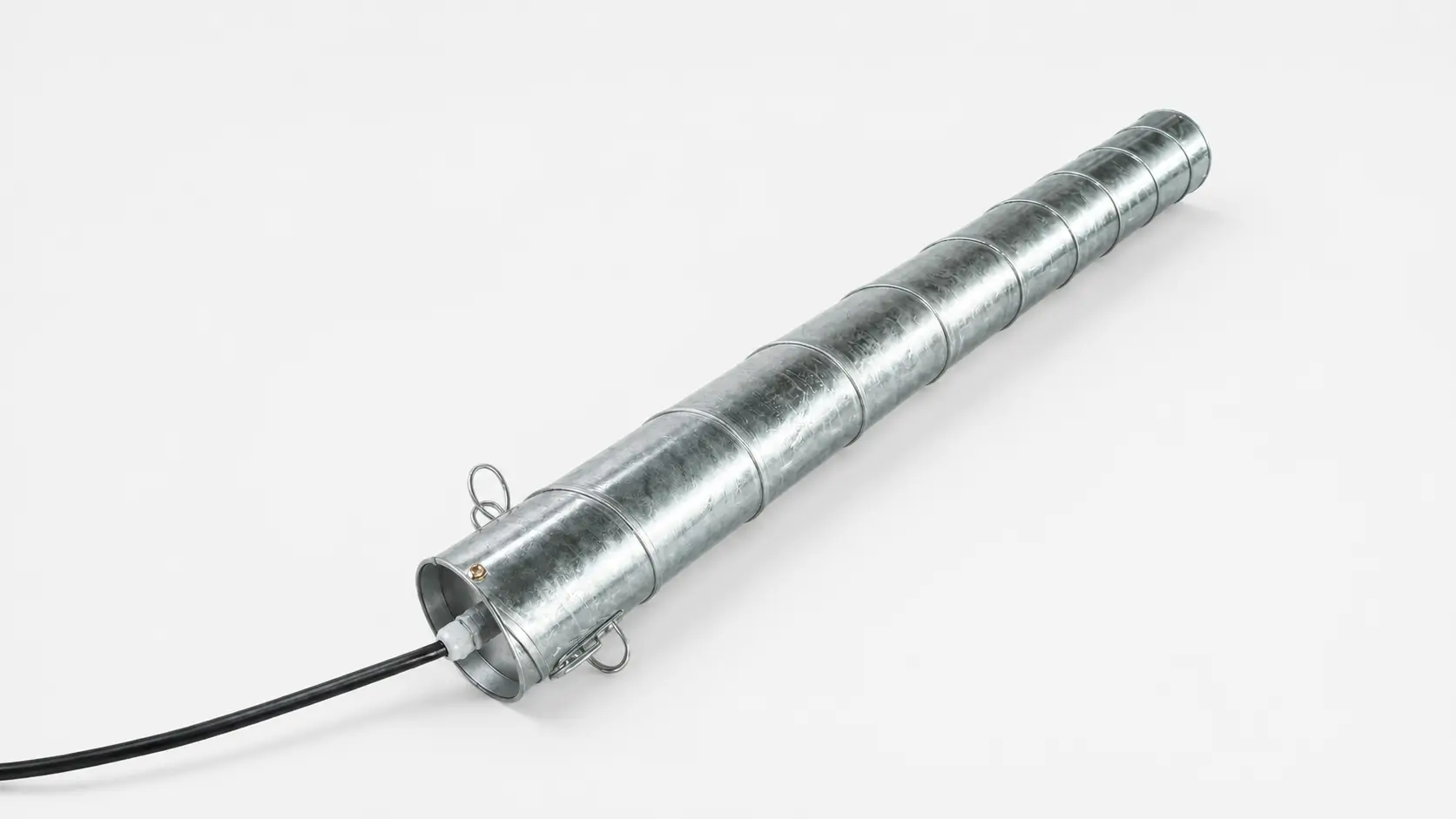
MMO Canister Anodes
Prepackaged MMO anode assemblies with internal MMO anode element, carbonaceous backfill, canister body, cable, and sealing.
Deep groundbed systems requiring packaged anode assemblies and controlled backfill around the active anode.
Current output, canister size, backfill, cable length, sealing, borehole depth, and installation method.
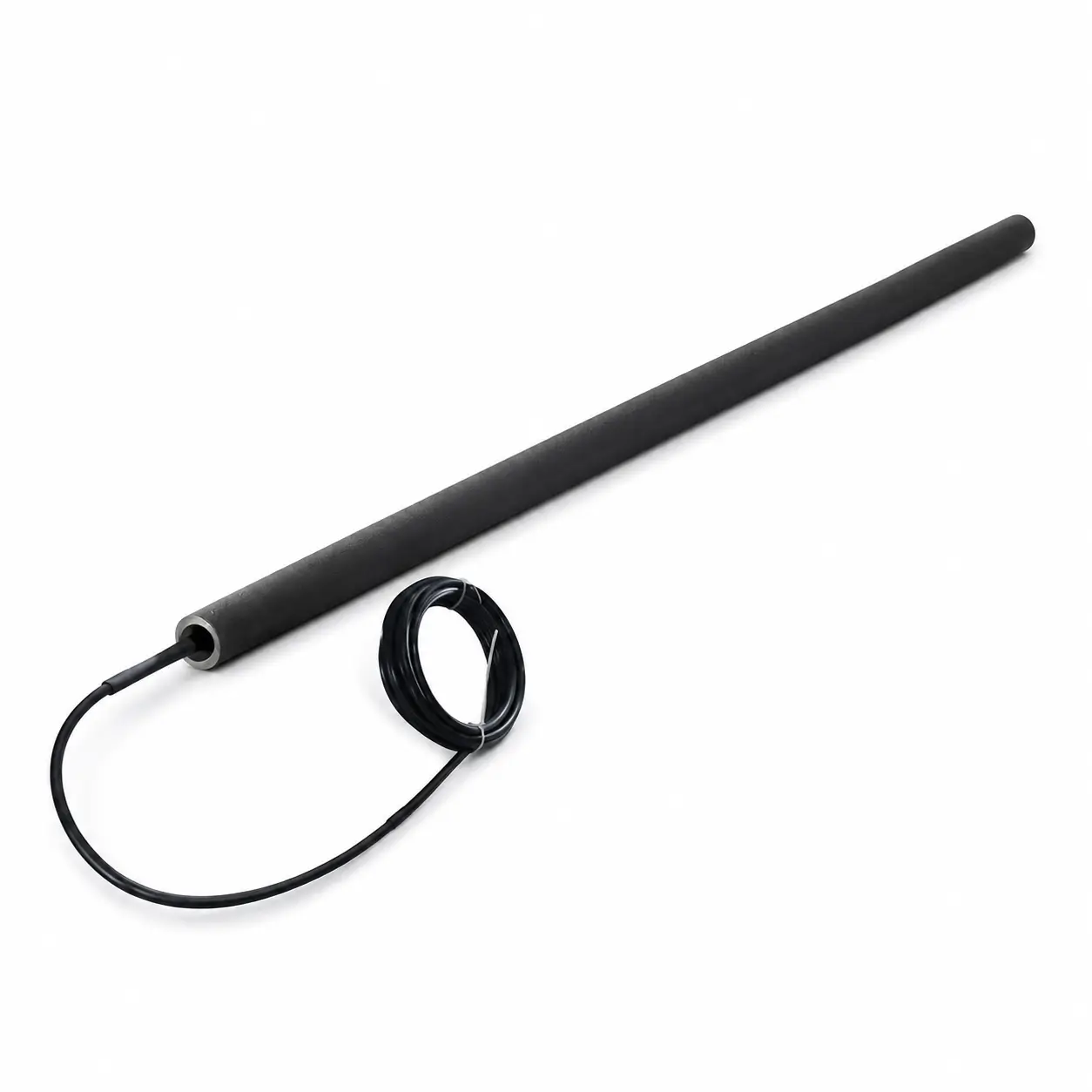
MMO Tubular Anodes
MMO coated titanium tubular anodes used where a durable cylindrical anode form is suitable for groundbed installation.
Deep or shallow groundbed projects where bare tubular anodes can be installed with project-specified backfill.
Tube diameter, length, coating area, current output, backfill contact, cable connection, and installation environment.
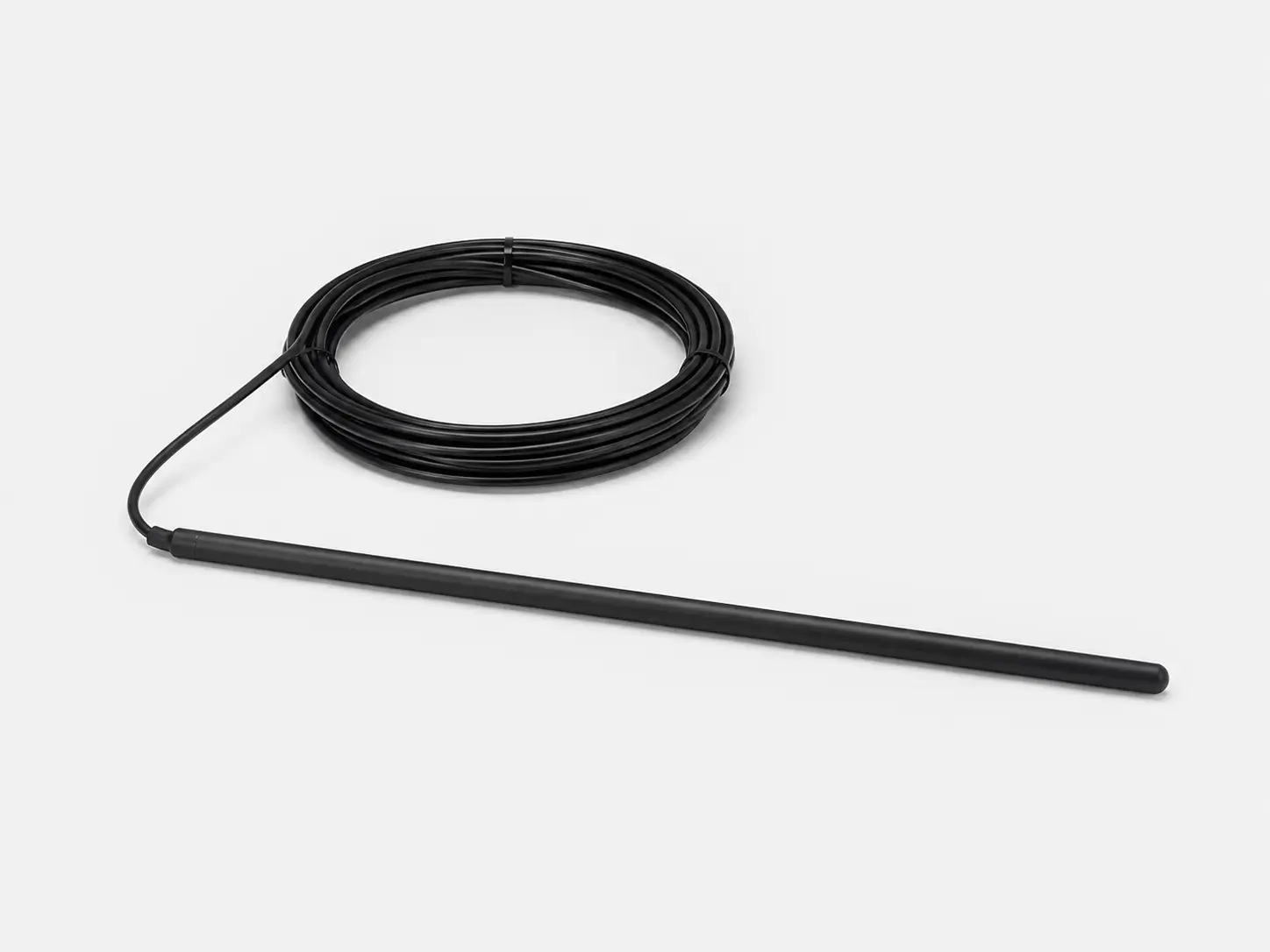
MMO Rod Anodes
Compact MMO coated titanium rod anodes for selected groundbed, pilot, or custom ICCP layouts.
Compact groundbed designs, custom CP systems, or project-specific applications requiring rod geometry.
Rod diameter, coated length, current output, connection design, backfill, and installation space.
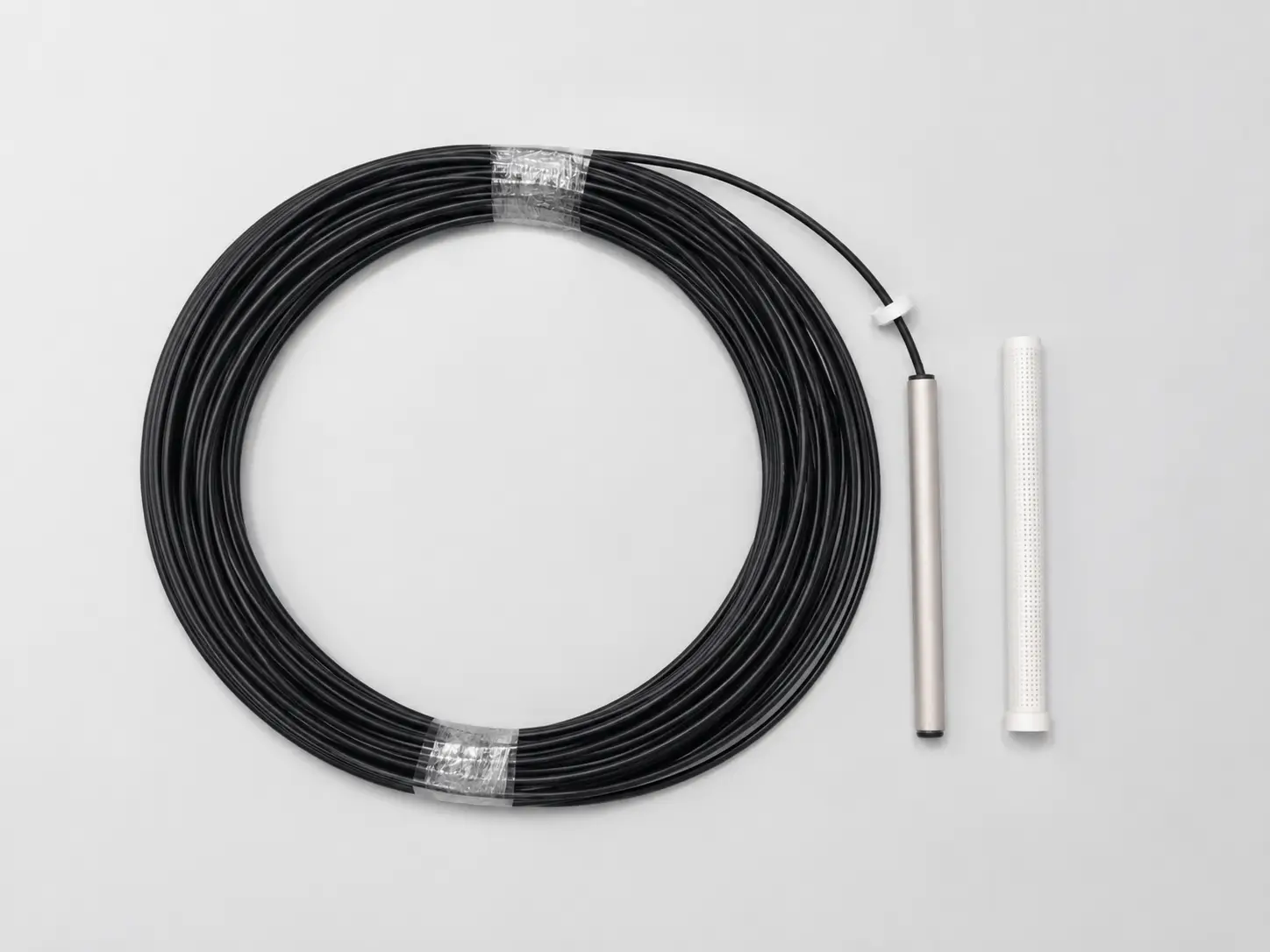
Custom Deep Groundbed Anode Assemblies
Project-specific MMO anode assemblies with custom anode form, cable length, sealing, labels, packing, and documentation.
Non-standard deep well CP systems, EPC projects, and engineered groundbed designs.
Groundbed layout, soil data, current demand, cable specification, project standard, and delivery requirements.
Where Deep Groundbed ICCP Anodes Are Commonly Used
Deep groundbed ICCP systems are often used where a centralized or remote anode bed is needed to protect large buried or semi-buried structures. The final anode design should be reviewed according to soil data, current demand, structure geometry, installation depth, and system layout.
Buried Pipeline Cathodic Protection
Deep groundbeds can discharge protective current from a remote location to protect long pipeline sections.
Pipeline length, coating condition, soil resistivity profile, current demand, groundbed location, and cable route.
Tank Farm Cathodic Protection
Deep groundbeds can support impressed current protection for multiple tanks and buried structures in tank farms.
Tank layout, soil condition, current distribution, interference risk, monitoring points, and anode bed location.
Underground Storage Tanks
Deep or remote groundbeds may be reviewed when site layout requires current discharge away from the protected tank.
Tank size, coating condition, soil resistivity, installation access, current demand, and local site limitations.
Buried Steel Structures
Deep groundbed anodes can be used for underground steel structures, foundations, utilities, and industrial infrastructure.
Structure geometry, soil chemistry, grounding interference, current demand, and monitoring plan.
Oil & Gas Infrastructure
Deep groundbed ICCP systems are often reviewed for pipelines, stations, tank farms, and buried process structures.
Site layout, CP zone, soil profile, safety requirements, documentation, and project standard.
Remote Groundbed CP Systems
A remote groundbed can be used when the anode bed must be separated from the protected structure.
Distance to structure, cable route, soil resistivity, land availability, output requirement, and interference review.
Key Design Parameters for Deep Groundbed Anode Selection
A reliable deep groundbed anode recommendation requires project data. The anode form, current output, cable length, backfill, sealing method, and documentation should be reviewed based on the full ICCP design.
Soil Resistivity Profile
Soil resistivity at different depths affects groundbed resistance, current discharge, and anode layout.
Borehole Depth & Diameter
Borehole depth, diameter, and available installation space affect anode spacing, backfill volume, and cable length.
Current Demand
Total current, output per anode, current density, and operating profile affect anode quantity and coating loading.
Design Life Target
Expected service life should be reviewed together with coating loading, output, and installation environment.
Backfill Requirement
Carbonaceous backfill, coke breeze, packing density, and contact quality affect groundbed performance.
Cable Length & Specification
Cable length, insulation type, cross-section, sealing, and route should match the installation layout.
Venting / Site Requirement
Some deep groundbed systems may require venting or site-specific gas management review.
Documentation Requirements
MTC, coating records, dimensional inspection, cable / sealing records, labels, packing list, and project documents can be prepared when required.
Deep Groundbed Anode System Components to Review
A deep groundbed system is not only the anode. The complete assembly and installation environment should be reviewed together to support reliable current discharge and long-term operation.
| Component | Review Focus | Buyer Notes |
|---|---|---|
| MMO Anode Element | Anode form, active area, coating loading, current output, and design life. | Canister, tubular, or rod anodes may be reviewed depending on design. |
| Carbonaceous Backfill | Backfill type, particle condition, filling density, and contact quality. | Backfill supports current discharge around the anode. |
| Cable System | Cable length, insulation, connection method, sealing, and labeling. | Deep installation requires reliable cable and sealing design. |
| Borehole / Installation Zone | Depth, diameter, soil profile, water table, and site access. | Installation conditions affect anode bed layout and resistance. |
| Header Cable / Junction Box | Connection layout, cable routing, identification, and protection. | Project drawings should define the cable route and connection plan. |
| Monitoring System | Reference electrodes, test stations, and measurement points. | Monitoring supports commissioning and future system review. |
Soil Resistivity, Backfill and Current Output Must Be Reviewed Together
For deep groundbed ICCP systems, anode selection cannot be based only on canister size or tube length. Soil resistivity, borehole depth, backfill quality, current output, cable sealing, and design life all affect the final recommendation.
*Anode performance and output are reviewed according to project requirements and based on operating conditions.
Request Groundbed Design ReviewSoil Resistivity
Soil resistivity affects groundbed resistance, current discharge conditions, and anode quantity.
Backfill Contact
Carbonaceous backfill helps improve contact between the anode and surrounding groundbed environment.
Current Output per Anode
Output per anode should be reviewed according to CP design, coating loading, backfill, and design life.
Cable Sealing Reliability
Cable sealing and connection quality are important for buried and deep well installations.
Deep Groundbed Installation Risk Factors to Review
Many deep groundbed problems are caused by incomplete soil data, poor cable sealing, unsuitable backfill contact, incorrect spacing, or unclear installation conditions. Reviewing these issues before production helps improve anode selection and project planning.
Missing Soil Resistivity Data
Without a soil resistivity profile, groundbed resistance and anode output assumptions may be less reliable.
Incorrect Borehole Depth
Depth should be reviewed according to soil profile, current requirement, and CP system layout.
Poor Backfill Placement
Insufficient or uneven backfill contact can affect current discharge around the anode.
Cable Damage or Weak Sealing
Cable insulation, sealing, and strain relief are critical in buried and deep well environments.
Interference with Nearby Structures
Pipelines, grounding systems, tanks, and utilities may require interference review.
Limited Monitoring Access
Test stations, reference electrodes, and commissioning data should be considered early.
Buyer Note:
If your project already has a CP design drawing, soil resistivity report, borehole design, or current demand calculation, share it with Hele Titanium for anode form and documentation review.
Review My Deep Groundbed Risk FactorsQuality & Documentation Support for Deep Groundbed Anode Projects
Deep groundbed anode project quality depends on internal MMO anode quality, coating control, current output design, canister or tube dimensions, backfill assembly, cable connection, sealing quality, packing protection, and final documentation.
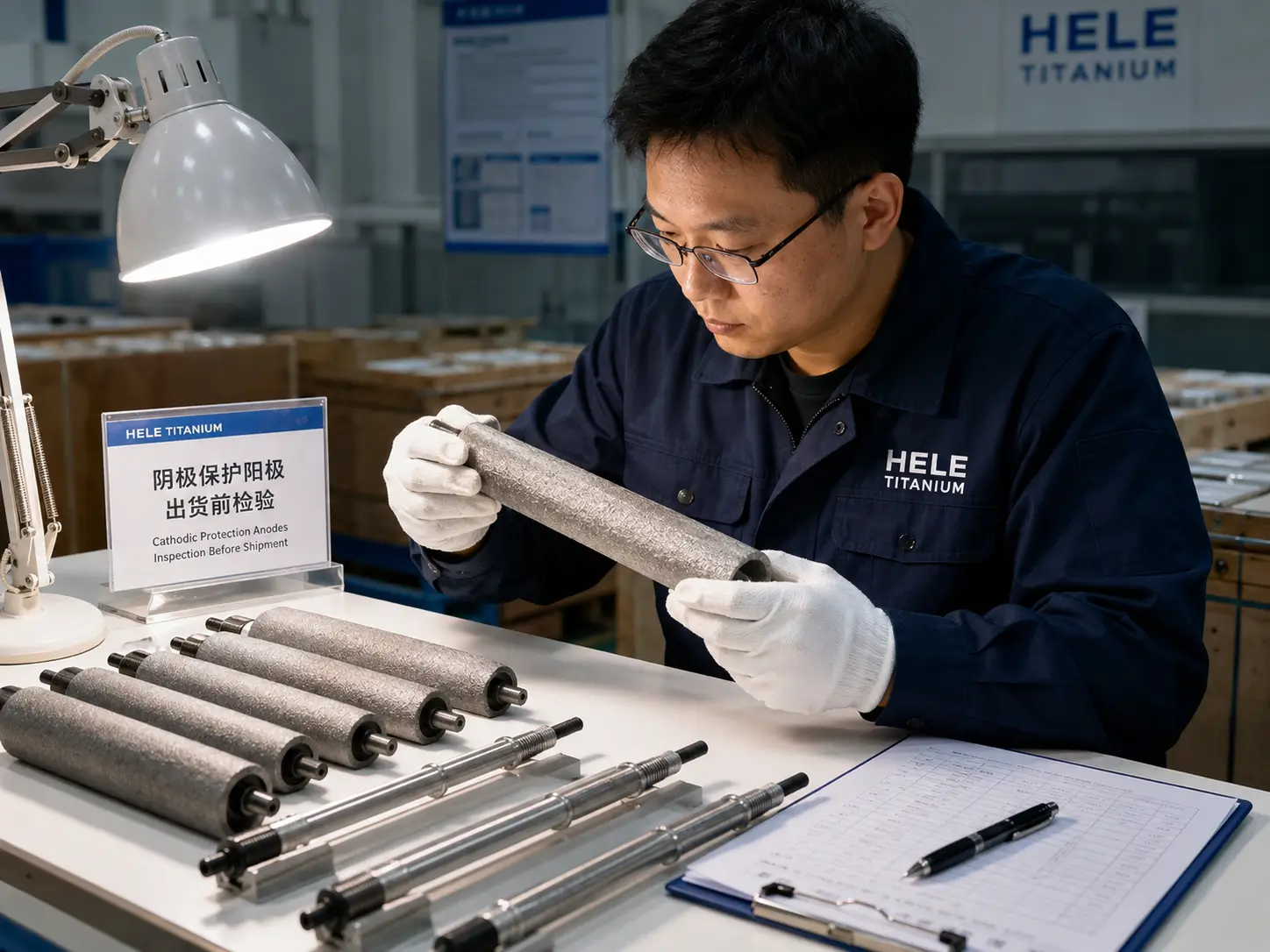
MMO Anode Element Review
MMO canister, tubular, or rod anode elements are reviewed according to substrate, size, coating, and output requirements.
Coating Control
Coating formulation, application cycles, drying, thermal treatment, and coating loading are controlled according to project requirements.
Assembly & Dimension Check
Canister size, tube length, rod size, coating area, backfill filling, and connection details are reviewed according to agreed scope.
Cable & Sealing Review
Cable length, insulation, sealing, termination, labels, and connection details can be reviewed when required.
Packing & Labeling
Anodes are packed according to product form, cable protection, coating sensitivity, destination, and shipment requirement.
Project Documentation
MTC, coating records, inspection notes, packing list, product labels, cable / sealing notes, and project-specific QC documents can be prepared when required.
Available Documents May Include:
- MTC
- Coating record
- Dimensional inspection record
- Cable / sealing inspection notes when required
- Canister assembly notes when required
- Visual inspection notes
- Packing list
- Product labels
- Project-specific QC documents
- Third-party inspection support when required
Explore More ICCP Anode Applications
If your project is not a deep groundbed system, explore other ICCP anode application pages to compare suitable installation methods and anode forms.
ICCP Anode Installation Configurations
A complete overview of deep groundbed, shallow groundbed, tank bottom, concrete, marine, distributed, and localized ICCP layouts.
View Installation ConfigurationsICCP Anodes for Tank Bottom Protection
For storage tank bottom and under-tank CP systems using ribbon, mesh ribbon, wire, or linear MMO anodes.
View Tank Bottom ICCP AnodesICCP Anodes for Reinforced Concrete Protection
For bridges, piers, decks, and chloride-contaminated concrete using wire, mesh ribbon, ribbon, or disc anodes.
View Concrete ICCP AnodesICCP Anodes for Marine Structures
For jetties, piers, harbors, seawalls, offshore structures, and water intake systems using tubular, disc, or rod anodes.
View Marine ICCP AnodesICCP Anodes for Pipelines & Buried Structures
For buried pipelines, underground tanks, and buried steel structures using canister, tubular, or linear anode systems.
View Pipeline & Buried Structure ICCP AnodesDeep Groundbed ICCP Anode FAQ
Common questions regarding deep groundbed anode selection, specification, and project review.
What is a deep groundbed ICCP system?
Where are deep groundbed anodes commonly used?
What anode forms are used in deep groundbed systems?
What is the difference between MMO canister anodes and MMO tubular anodes?
Why is soil resistivity important for deep groundbed design?
What is carbonaceous backfill or coke breeze used for?
How do I choose current output per anode?
Can cable length and sealing be customized?
What information is needed for a deep groundbed anode quote?
Can Hele Titanium support project documentation?
Can deep groundbed anodes be used for pipeline CP?
Can deep groundbed anodes be used for tank farms and buried structures?
Get Your Deep Groundbed ICCP Anode Recommendation
Tell us your protected structure, soil resistivity data, groundbed design, borehole depth, current demand, design life target, cable length, backfill requirement, and documentation needs. Hele Titanium will help review suitable MMO anode forms and deep groundbed anode configurations for your project.
MMO Canister, Tubular and Rod Anode Support
Multiple anode forms available for different groundbed designs.
Deep Groundbed Current Output and Backfill Review
Output matched to soil profile and CP system demand.
Cable Connection, Sealing and Documentation Support
Reliable sealing and full project documentation when required.
Factory-Direct MMO Anode Manufacturing and Export Packing
Direct control over coating quality and global delivery.
Direct Contact:
sales@heletitanium.com
Room 1206, Building 1, Huaxia Yue World